
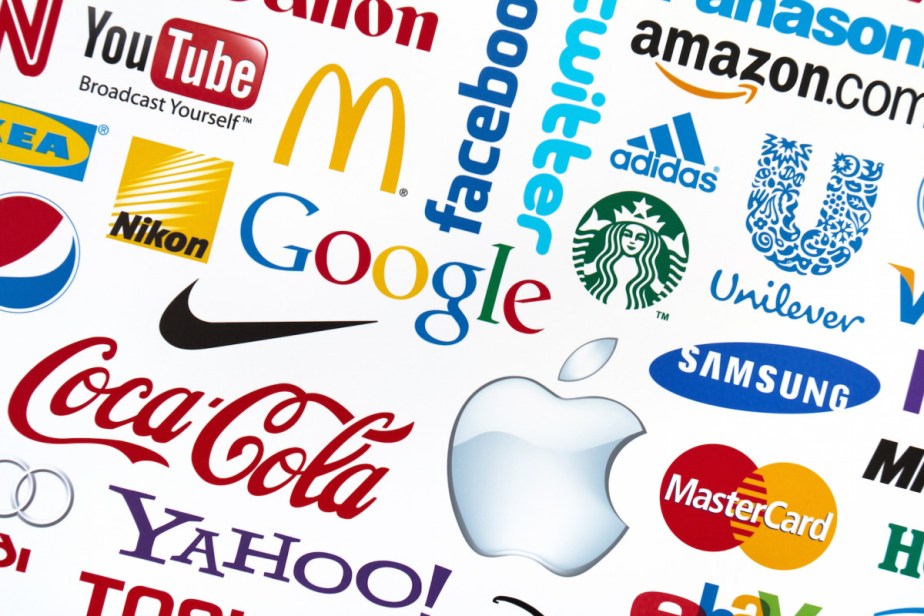
We live in a society where brands are everything. Consumers use brands as symbols of themselves and their status, affiliation and beliefs. For many buyers, it’s less about the product they’re buying and more about the name behind it. Modern consumers have become extremely brand loyal and this is widely in part due to advertising practices. This brand loyalty, which I’d venture to call brand obsession, is unhealthy and is perhaps one of the most intriguing, but harmful effects of advertising.
I argue that brand loyalty/obsession constitutes two market failures. One such market failure is that of imperfect competition. Big brands have created monopolies in their industries/product fields. Since big brands have the funds to spend on advertising, they have the ability to eliminate the competition of smaller companies that don’t have enough money to spend. Smaller companies often never have the chance to get started in the market because of financial barriers to entry. This wrongfully convinces consumers that there aren’t alternatives because they see little advertising for non-brand competitors. These monopolies drive the prices of products up, which is why big-brand products are often more expensive than alternatives (think luxury jewelry or Nike shoes).
The other market failure that brand loyalty constitutes is that of Negative Externalities. Not only are these branded products often not the best of its kind on the market, big brands are frequently the companies cutting corners to make the most money or contributing to ethical/environmental/societal issues. Big brands have the ability to change the public perception about certain issues, but instead often contribute to the problem. Nike used sweatshops to produce their shoes. McDonald’s continues to feed consumers unhealthy food and contribute to growing global obesity. Coca-Cola has a history of violating workers’ rights in their bottling factories. Samsung used cheap batteries that exploded. Apple slowed down their phones. You’d think these unethical business practices would kickstart the market mechanism and put them out of business, and yet we still are ever-faithful to these brands because advertising “helps” us overlook these issues. By embracing these big brands, our society is saying we’re fine with paying more for potentially worse products and we’re fine with supporting companies that don’t have ethical or environmentally friendly business practices, all because of the power of the brand.
There are many mechanisms that work together to provide a multi-faceted approach to protecting consumers. Not every mechanism has been utilized in the fight against big brands. Firstly, consumers are the market mechanism and have complete sovereignty over their choices. Unfortunately, many consumers still choose to support big brands, despite often better alternatives, negative externalities and unethical practices. Big-brand advertising has made it difficult for consumers to make educated decisions about the products they buy.
Government regulation of these brands has been slim. There have been few court cases against major brands and those that have been leveled against them are usually dismissed or go in favor of the businesses. For example, Kasky vs. Nike brought Nike’s unethical sweatshop practices to the courts but Kasky lost his first case as well as several appeals. The Federal Trade Commission, which oversees deceptive advertising practices and monopolies, also has been lenient with big brands. If the government did leverage its judicial and executive power over some of the practices that big businesses engage in that lead to negative externalities, there could be real change in the operation of these big brands. Self-regulation within the industry has been slightly better, but most internal regulation is influenced by consumer protesting anyway. Companies have pulled their own advertisements and commercials off of the air. For example, Pepsi quickly stopped airing its insensitive Kendall Jenner protest commercial after it was met with indignation. But while many consumers were upset with the ad, it did little to decrease sales.
Consumers can find that most of their favorite brands do have codes of ethics on their websites, but I can’t help but think that many of these codes of ethics were put in place (and published on the internet for every consumer to see) to save face or use as proof of ethical practices. Nike’s code of ethics clearly states, “Every supplier factory that makes products for NIKE, Inc. must meet a rigorous set of compliance requirements”. Yet, many activists believe Nike is still using sweatshops and as of 2015, Nike suspiciously doesn’t allow outside inspections of its factories.1 These codes of ethics also haven’t stopped big-brands from releasing ethically questionable advertisements either. As for media ethics, while media organizations do have the right to refuse any non-political advertising that they find distasteful, most media outlets have never refused big-brand ads.
Consumer journalism has been active in the movement against big brands, both with consumer reporting and consumer documentaries. Journalists like Jeff Ballinger were key in investigating Nike’s sweatshops and then later published the first exposés on the company. Consumer documentaries have also critiqued big-brand obsession and these brands’ unethical business practices. Michael Moore’s film The Big One follows his attempts at interviewing the CEOs of our favorite brands about their business practices, specifically asking Phil Knight about Nike’s sweatshop practices to which he evades a concrete answer. These documentaries and investigative exposés have brought big brands into the public spotlight and have definitely played a role in consumers beginning to fight these brands themselves
Consumer activism has been the biggest contributor to changes in big-brand loyalty. On the personal level, many consumers have taken to social media to critique big-brands; this is clear when you scroll the feeds of many companies’ profiles. Boycotts and buycotts have also been monumental in starting to dismantle our society’s obsession with brands. There have been many consumer campaigns organized against big businesses and brands. Many consumers actively boycott companies that engage in unethical business practices, like Nike. Or when it was discovered that Chick-fil-A donated profits to anti-LGBTQ+ groups and politicians, consumers quickly took to protesting this. Campaigns like #DeleteUber or #GrabYourWallet were also started to fight consumerism and big-brands, but also were intended to fight political decisions made about the market. In terms of buycotts, the “Buy Local” and “Eat Organic” movements have been enormous for smaller brands and companies to get their products to consumers, without much advertising. These consumers are changing society’s perception of brand loyalty. Big brands have the power to change the world through their visibility, just need to be spurred in that direction by consumers. I don’t believe all brand loyalty is bad. Many brands have garnered loyalty and deserve this allegiance because of their sound business practices and quality of their products, but these brands that we should be supporting are usually not the companies we see being advertised for. I believe as consumer activism and consumer journalism continue to shine light on the negatives of faithfully pouring our cash into these big brands, increased usage of the other protection mechanisms will follow and slowly, the permeance of “the brand” will falter.
 SOPHIA PORTELLI